
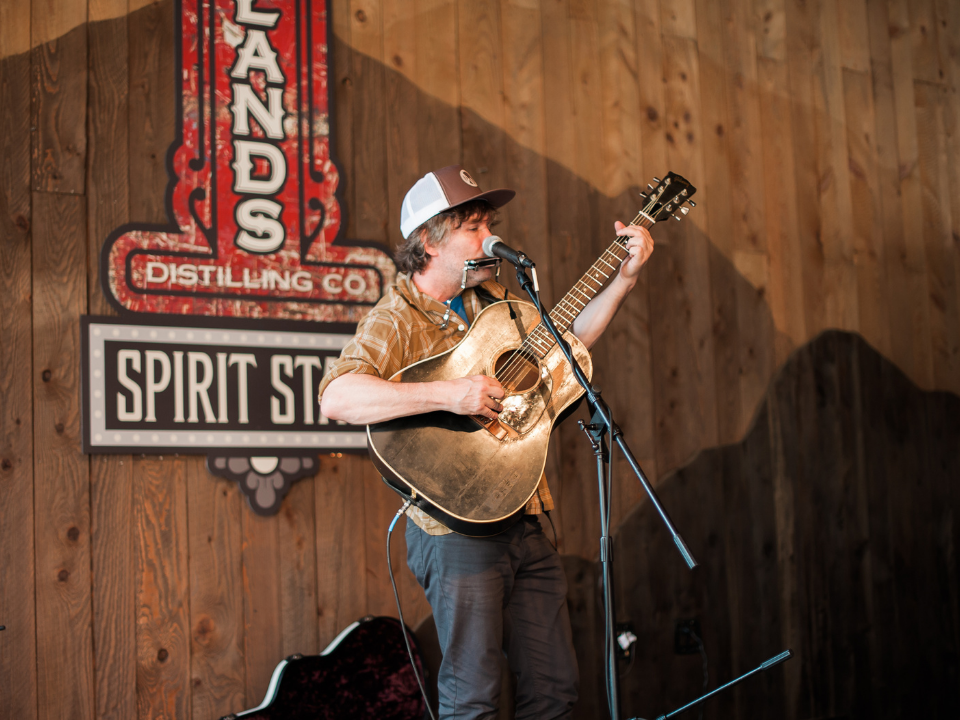
Photo courtesy of Sugarlands Distilling Co.
Music is part of the craft experience. It shapes how guests feel, how long they stay, and how they remember a brand. Beyond ambiance, music carries an ethical and legal dimension that’s increasingly visible to consumers.
Setting Your Tone
According to the Music in Business Consumer Survey: Soundtrack 2026*, 63% of consumers believe it’s important that businesses play properly licensed music, and 67% feel more positive toward brands that ensure creators are compensated fairly.
For distilleries and tasting rooms built on artistry and authenticity, that’s a message worth amplifying.
*This study evaluates the impact of overhead music as it relates to consumer behavior, brand sentiment, and the overall customer experience across various business categories (including restaurant, retail, hospitality, and wellness). The findings are based on a survey of 1,003 respondents, providing a comprehensive look at how music serves as a critical touchpoint in the modern consumer journey.
Understanding Music Licensing
Any business that plays music publicly (whether through speakers, live performances, or streaming) must have the proper licenses. Personal streaming accounts (like Spotify or Apple Music) are not licensed for commercial use.
Instead, businesses must secure coverage through performing rights organizations (PROs) such as:
- ASCAP (American Society of Composers, Authors and Publishers)
- BMI (Broadcast Music, Inc.)
- SESAC (Society of European Stage Authors and Composers)
- GMR (Global Music Rights)
These organizations collect royalties on behalf of songwriters and publishers, ensuring fair payment for public performance.
The Risk of Ignoring Licensing
Playing unlicensed music can lead to:
- Fines or legal action from rights organizations
- Reputational damage among ethically minded consumers
- Loss of trust within the creative community
For distilleries that champion craftsmanship, ignoring licensing undermines the very values that define the industry.
Several platforms provide pre‑licensed music curated for commercial spaces. These services handle all royalties and offer playlists tailored to business types. Each ensures compliance while letting distilleries focus on creating the right atmosphere, whether modern, rustic, relaxed, or energetic.
Practical Steps for Distillery and Tasting Room Owners
The Soundtrack 2026 study found that music directly influences mood, dwell time, and spending. Guests who hear music they enjoy are more likely to stay longer, spend more, and return again. When that music is properly licensed, it reinforces a distillery’s commitment to quality and ethics, values that resonate deeply with craft spirits consumers.
This connection between atmosphere and ethics underscores why distillery owners should take deliberate steps to ensure their music choices align with both brand identity and compliance.
1. Audit your setup
Confirm that your current playlists or streaming accounts are licensed for business use.
2. Choose a commercial provider
Select a service that fits your brand’s tone and guest experience.
3. Display your commitment
A small sign or digital note stating “Licensed Music Played Here” signals professionalism and respect for creators.
4. Train your staff
Ensure everyone understands why licensing matters and how it connects to your brand story.
The Bottom Line
Music licensing isn’t just a legal checkbox; it’s a part of your brand’s ethics and identity. In the craft spirits world, where authenticity and artistry define success, playing licensed music shows that your business values creativity in all its forms.
ACSA is an official partner of Soundtrack to support members in accessing fully licensed, high‑quality music solutions. ACSA members can learn more and set-up a free trial by clicking the button below. Note: members must be logged in to access.
Tags: ACSA education Compliance Craft Spirits customer engagement distillery tasting room ethical business Member Resource music licensing